
「好き」を支え合う──
Sooper Recordsが築いたオルタナティブな道
Supporting Each Other’s “Likes”──
The Alternative Path Built by Sooper Records.
シカゴを拠点に活動するアーティスト、セン・モリモトとナムディ・オグボンナが運営するSooper Recordsは、ただのインディペンデント・レーベルではない。ジャンルや肩書きといった枠をゆるやかに越えながら、つくり手たちはお互いに敬意を持って関わり合い、誠実な営みの中で独自のコミュニティを築いてきた。そこにあるのは、アーティスト同士の信頼と、誰かの表現に寄り添い、支え合うことの意味だ。
このインタビューでは、セン・モリモトとナムディ・オグボンナの、二人のこれまでの歩みをたどりながら、音楽業界の中で「コミュニティを支えること」と「ビジネスとして続けること」のあいだで揺れながらも、自分たちのペースで道を切り拓いてきた二人の言葉に耳を傾けた。 レーベル運営を一つひとつ、自分たちの手で模索してきたという話からは、「業界で生き残る」ためだけではない、表現を続けること、そのものの意味がにじみ出る。
関係を編みだし、コミュニティを大切にすること。今年でレコードレーベルとして設立10周年を迎えるSooper Records の軌跡は、音楽業界のなかで静かに、でもたしかに、もうひとつの可能性を指し示している。その姿勢は、これからの表現や関わりのあり方に問いを投げかけながら、音楽をつくる人も、音楽を支える人も、その輪のなかにいるということを、思い出させてくれる。
Sooper Records, run by Chicago-based artists Sen Morimoto and NNAMDÏ, is more than just an independent label. Moving loosely beyond the boundaries of genres and titles, the creators there engage with one another with mutual respect, building a unique community through their sincere, daily work. At its core is the trust between artists and the meaning of standing by and supporting each other’s expression.
In this interview, we trace the journeys of Sen Morimoto and NNAMDÏ, listening to their words as they carve out a path at their own pace—even while navigating the space between “supporting a community” and “sustaining a business” within the music industry. Their story of figuring out label management step by step, with their own hands, reveals a purpose that goes beyond simply “surviving the industry”; it reflects the inherent meaning of continuing to create.
By weaving relationships and cherishing their community, the story of **Sooper Records—celebrating its 10th anniversary as a record label this year—**quietly but surely points toward another possibility for the music industry. Their approach poses questions about the future of expression and connection, reminding us that everyone—those who make music and those who support it—is part of the same circle.
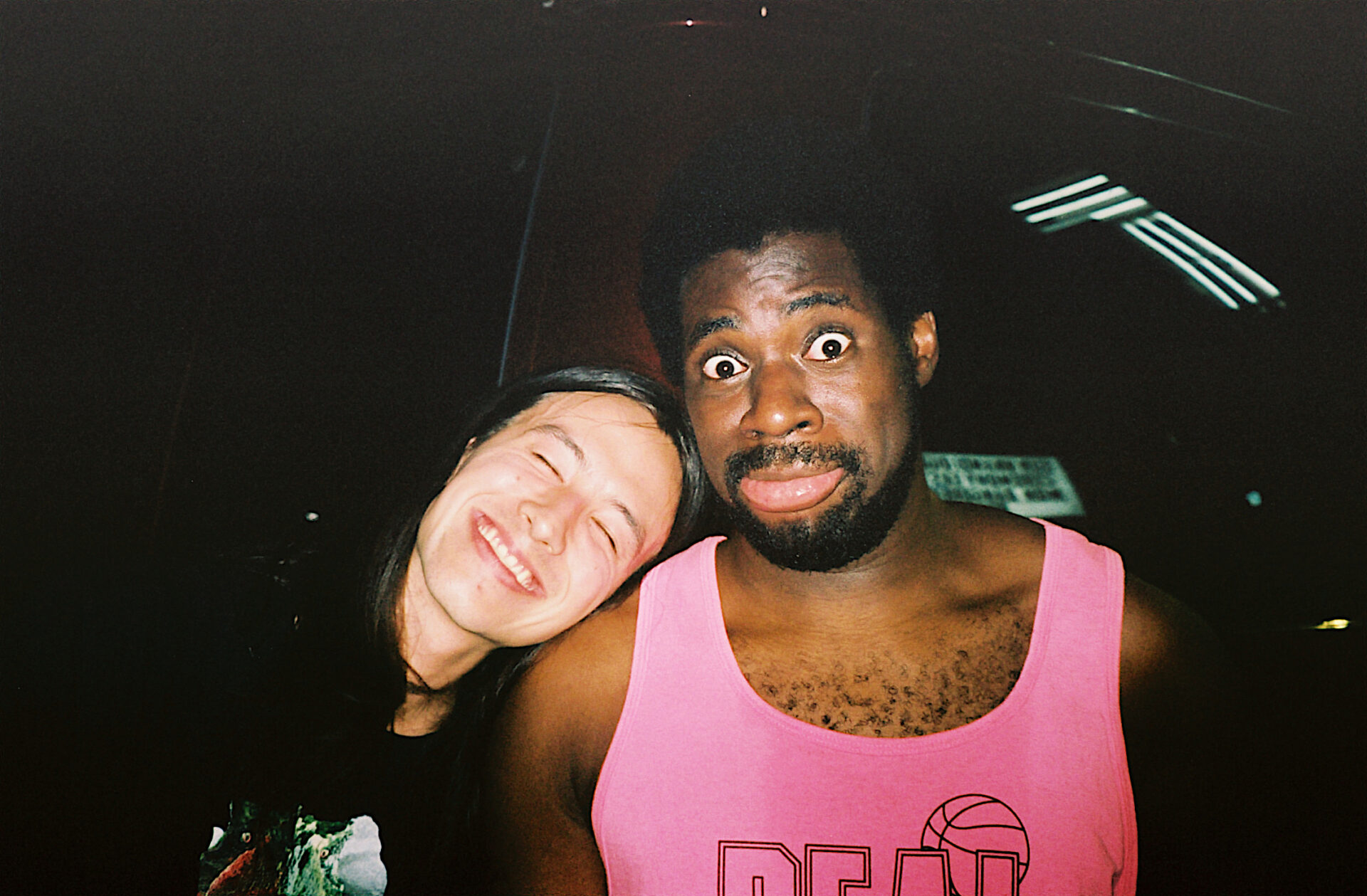
Sen Morimoto (セン・モリモト)
京都生まれ、アメリカ・マサチューセッツ育ちのマルチ・インストゥルメンタリスト/シンガーソングライター/プロデューサー。現在はシカゴを拠点に活動し、ジャズ、ヒップホップ、ソウル、実験音楽などを自由に横断する独自のスタイルで注目を集める。2018年にデビューアルバム『Cannonball!』をリリース。以降、自主レーベル〈Sooper Records〉を共同運営しながら、音楽の制作・発表を通してコミュニティの持続可能なあり方を模索し続けている。共演・プロデュースには、KAINA、NNAMDÏ、Lala Lala、Kara Jacksonなど多彩なアーティストが名を連ねる。
NNAMDÏ Ogbonna(ナムディ・オグボンナ)
アメリカ・イリノイ州出身のマルチ・インストゥルメンタリスト/シンガーソングライター/プロデューサー。独自のユーモアと深い内省を織り交ぜたジャンルレスな楽曲で、DIYシーンを中心に高く評価されている。2020年のアルバム『BRAT』で一躍注目を集め、PitchforkやNPRでも特集された。自身の音楽活動に加えて、Sen Morimoto、Glenn Curranと共にシカゴ拠点のインディペンデントレーベル 〈Sooper Records〉を共同運営。アーティストが対等に支え合うコミュニティづくりを実践している。
Sen Morimoto
Born in Kyoto and raised in Massachusetts, Sen Morimoto is a multi-instrumentalist, singer-songwriter, and producer. Currently based in Chicago, he has gained recognition for a signature sound that moves freely across jazz, hip-hop, soul, and experimental music. Since the 2018 release of his debut album, Cannonball!, he has co-managed the independent label Sooper Records. Through his creative work and releases, he continues to explore sustainable ways for communities to exist and thrive. His diverse collaborations and production credits include artists such as KAINA, NNAMDÏ, Lala Lala, and Kara Jackson.
NNAMDÏ Ogbonna
An Illinois native, NNAMDÏ is a multi-instrumentalist, singer-songwriter, and producer. His genre-bending music, which weaves together a distinct sense of humor with deep introspection, has earned him high acclaim within the DIY scene. He gained widespread attention with his 2020 album BRAT, which was featured by outlets like Pitchfork and NPR. Alongside his own musical career, he co-runs the Chicago-based independent label Sooper Records with Sen Morimoto and Glenn Curran, fostering a community where artists support one another as equals.
WAREHOUSE TRACKSは、世界の様々な人々とワクワクするものを生み出す状況や環境を築くことを目標に掲げています。
これは、そんなコミュニティの輪を作り、広げ、何かを始めてみたい人たちに、実際にそれを始めるきっかけや、モチベーションを共有することを目的とした連載です。
第七回目のゲストはSen Morimoto(セン・モリモト)、NNAMDÏ Ogbonna(ナムディ・オグボンナ)です。
(ミュージシャン)
At WAREHOUSE TRACKS, we seek to foster an environment where individuals from diverse backgrounds across the globe can come together to create something truly exciting.
This series of articles is aimed to inspire and expand this community, offering both motivation and the opportunity for those wanting to start something of their own to take the first step.
Our 7th guest is Sen Morimoto and NNAMDÏ Ogbonna.
(Musician)
──このインタビューでは、お二人のことや「Sooper Records」について、いろいろとお話をお伺いできればと思っています。レーベルを運営するとはどういうことなのか、そしてその立場から見えてくる今の音楽業界についても、ぜひお聞かせください。今日はどうぞよろしくお願いします!
セン:
よろしくね!
ナムディ:
こういう機会をもらえて嬉しいよ!
──In this interview, we’d love to talk with you about yourselves and Sooper Records. We’d also like to hear about what it means to run a label, and what the current music industry looks like from your perspective. Thank you both for joining us today.
Sen:
Yeah, thanks for having us.
NNAMDÏ:
Glad to be here!
──では、はじめに、読者のみなさんにお二人のことを紹介したいと思っています。せっかくなので、よければ、お互いのことを紹介しあっていただけませんか?「こんな人なんだよ」っていう感じで、自由に話していただけたらうれしいです。
セン:
OK、じゃあ僕からいくね。ナムディは、とにかく多才な人なんだ。マルチインストゥルメンタリスト(いろんな楽器が演奏できる人)で、作曲もするし、ロックスターだし、ラッパーでもあって、俳優でもある。 そしてレーベルのオーナーでもあるんだ。それに、けっこう絵もうまい。でも何より、大切な友達で、家族みたいな存在だよ。
ナムディ:
今度は僕の番だね。センは、アイコニックで、伝説的で、本当にすばらしい人なんだ。優しくて、フレンドリーで、それでいてすごく思慮深い。ソングライターとしても本当に優れていて、僕にとっては最高のリリシストの一人。彼の歌詞はいつも鋭くて、核心を突いているのに、まったく押しつけがましくない。ただただ、美しいんだ。それに、センもマルチインストゥルメンタリストで、素晴らしいプロデューサーでもある。もっと評価されるべきアーティストの一人だって、ずっと思ってる。そして何より、センも僕にとってすごく大切な友達で、家族みたいな存在だよ。
──To start, we’d love to introduce you both to our readers. Since you’re here together, would you mind introducing each other? Just tell us what the other person is like.
Sen:
Nnamdi is a brilliant, multi-instrumentalist, composer, rock star, rapper, slash actor, label owner, and pretty good painter also. And a really good friend. He’s like family to me at this point.
NNAMDÏ:
Okay, my turn. Sen – iconic, legendary, wonderful human, amazing songwriter. Probably one of the best lyricists, in my opinion. Always poignant and to the point, but not in a pretentious way with his lyrics. Very beautiful. Sweet human, very friendly, very thoughtful, and just all-around incredible musician. Also multi-instrumentalist – many, many instruments. Great producer. Underrated producer. And, good friend.
──そもそも、お二人はどうやって出会ったんですか?
セン:
僕がラップしてたライブイベントで出会ったんだ。その日の演奏はあんまり良くなかった記憶だけど…。
ナムディ:
いや、すごく良かったよ。当時付き合ってた彼女と、その友達のライブを観に行ってたんだけど、そのときにセンのパフォーマンスを観たんだ。ラップして、歌って、SP-404とテルミンを使っててさ。手をかざして音をコントロールするのが印象的だったし、曲も本当に良くて。しかも、ジェフ・ゴードン(NASCARのレーシング・ドライバー)のTシャツを着てたんだよね。僕、なぜかジェフ・ゴードンが好きでさ (笑)。
セン:
あのTシャツね(笑)。実は僕、NASCARのことよく知らないんだけど、ただ、シャツのデザインがカッコよかったから着てたんだ。
ナムディ:
それでライブのあと、話しかけたんだよ。Tシャツの話と、「音楽もすごくよかったよ」って。
セン:
ほとんどシャツの話だったよね(笑)。「いいシャツだね」って話して、「じゃあ、もう友達だ」って。
──How did you two meet and become friends?
Sen:
We met at a show that I was rapping at. Kind of badly.
NNAMDÏ:
No, it was great. I went with my ex-girlfriend at the time to see her friend, who was either playing before you or after you. And then we ended up watching your set. You were rapping, singing, and playing an SP-404 as a theremin. You would sing and then control it with your hands, doing different effects with your hands. I thought that was really amazing, and the songs were incredible. And he was also wearing a Jeff Gordon shirt—which I love, for some reason.
Sen:
The NASCAR driver. Which I’ve actually never watched, but I thought the shirt was cool.
NNAMDÏ:
Same. I thought, I didn’t really watch NASCAR, but I love the NASCAR shirts. So after your set, I talked to you about your shirt and—also how good the music was.
Sen:
I feel like mostly we talked about the shirt. NNAMDÏ was like, “Cool shirt.” And then we were like, “We’re friends now.”
──仲良くなっていく過程で、「これ、共通してるな」と感じたこと、 他に何かありましたか?
セン:
あった! あの日、僕ら二人とも「ふざけたシャツとヘンな音楽が好き」ってことが分かって、「じゃあ一緒に変な曲でも作ってみようよ」 ってなったんだ。最初に何を作ったかは正直覚えてないんだけど、録音のスタイルがすごく似てたのはよく覚えてる。家にあるシンプルな機材でビートを作って、その上に声を重ねる感じ。初めてナムディの家に行 ったときも、逆にナムディが僕の家に来たときも、「自分と同じやり方だ!」ってすごく共感したんだよね。最初の頃は、誰にも聴かせてない変な曲をいっぱい作ってた。いま振り返れば、あんまり良くなかった曲も何個かあるけど(笑)。
ナムディ:
センの家で「Guts」って曲を聴かせてくれたときのこと、すごく覚えてるよ。あれ、今でも僕のフェイバリットのひとつ。初めて聴いたとき、本当に衝撃だった。
セン:
あれはね、90年代のニコロデオンの番組「Guts」からサンプリングしたんだよ。「Do you have it? GUTS!」っていうフレーズをね。たぶんあのサンプルが良かったから、曲全体もよく聴こえたんだと思う(笑)。
ナムディ:
サンプルも良かったけど、曲自体がほんとに良かったよ。
──As you got to know each other, what else did you find you had in common, besides the shirt?
Sen:
So we knew from that day that we both like silly shirts and weird music. Then we decided to maybe hang out and make some wacky songs together soon after that. I’m not really sure what we made first, but I think we found that we recorded music in a really similar way—just at home, very DIY setup, making beats and writing songs over them. So when I first went to your house, and when you first came to my place, we were kind of like, “Oh, I do this at my place too. We can do this together. This is easy. This is the same.” We do the same thing, you know? So we quickly made a bunch of really silly music that never came out. A couple songs that were okay.
NNAMDÏ:
I remember when I went to your old loft. You played me the song called Guts, which is still one of my favorite songs. I heard that and it blew me away.
Sen:
We made a beat out of—there was a Nickelodeon show in the 90s called Guts, that went, “Do you have it? GUTS!” It was good. That was the sample for the song. I think you just liked the sample. The song is not good.
NNAMDÏ:
The song is good.
──お二人はお互いに、アーティストとして、友人として、そしてレーベルを一緒に運営するパートナーとして、どんなところにインスピレーションを受けていますか?
セン:
ナムディって、とにかく止まらないんだ。音楽も、他のクリエイティブなことも、出会ったときからずっと何かを作り続けてる。それだけで、 僕にはすごく大きなモチベーションになるんだ。「こんなふうにずっと創作を続けていけば、自分も満たされた気持ちでいられるんだ」って思える。それに、彼はいつも“自分のやりたいように”音楽やアートをやってる。僕が何か外の意見に流されそうになったときも、「そんなの気にしなくていいよ、自分のやりたいことをやればいい」って言ってくれる。
ナムディ:
センから受けてるインスピレーションは、彼の「しなやかさ」だね。センって、どんな状況でもちゃんと受け止めて、それを自分の表現に活かせる人なんだよね。多くの人は、他のアーティストの影響を受けすぎちゃったり、自分らしさを見失うことがあるけど、センは違う。その場に自然にフィットしながらも、ちゃんと“自分自身”であり続けてる。あと、レーベルの運営でもそうだけど、センは場の空気を和ませるのがすごく上手で。僕が感情的になったり、うまくやれないときも、センがバランスを取ってくれるから、物事がうまく進むんだ。
セン:
たしかに、僕はちょっと外交的なタイプかもしれないね。でもそれがあるからこそ、お互いにうまくバランスが取れてるんだと思う。
──As artists, friends, or co-label owners, what do you find inspiring each other?
Sen:
NNAMDÏ just never stopped. He’s been making music or working on some creative project since the day I met him, and he’s never stopped. That alone gives me a lot of motivation—and even hope—in knowing that it can be fulfilling to stay on a creative path continuously. And you’ve always done, at least from the outside it seems to me, your music and your art exactly the way you wanted to do it. To the point where, when I’m thinking about something that shouldn’t really affect my art or music, you’re just like, “Nah, that doesn’t matter. Do whatever you want.”
NNAMDÏ:
I would say maybe it’s true for both of us, but in different ways—different types of resilience. I think you can adapt to situations. Whatever situation you’re in, I feel like the outcome will lend itself to whatever the art is. A lot of people, if they’re with another artist, it becomes like, “Oh, this has now become my thing.” You can feel their influence in a way that kind of detracts from the artist. But I feel like everything you do—although it has your sound on it—supports whatever project you’re in. And not even just projects. I think in settings in general you adapt well, and that’s good in diffusing situations. I know we’ve had some label stuff where you are the keeper of the peace, because I definitely can’t do that a lot of the time. So that’s great.
Sen:
You’re very direct, which is good. It’s good that there’s a balance. I’m a little more diplomatic, maybe.
──素晴らしいチームワークですね。では、ここからは「Sooper Records」について聞けたらと思います。音楽が好きで、自分のレーベルを持つことを夢見る人ってけっこういると思います。でも、実際にどうやって始めたらいいのか、具体的なイメージが持てない人も多いのではないでしょうか。そこで、お二人がレーベルを立ち上げたときのこと──最初に何から始めたのか、どんなきっかけや動機があったのか──そして、そこから現在に至るまでの道のりについて、ぜひ教えてください。
ナムディ:
実はSooperを始める前に、レーベルとかコレクティブを作ろうとしたことが、二回あったんだ。最初はFacebookで、自分の好きなミュージシャンを集めて、グループを作った。みんなでコミュニティっぽいことができたらいいなって思って。でも、だんだん作品の宣伝だけの場になって、めちゃくちゃカオスになっちゃった……。最終的には自然消滅した感じで。その次は、「Swerp Records」っていうレーベルを、当時の友達と一緒に立ち上げた。こっちは、仲のいいバンド仲間も巻き込んで、もっと地元に根ざした感じでやろうとしたんだけど……。バンドが急に解散しちゃったり、経済的な問題もいろいろ出てきて。ツアーバスを買ったのにすぐ壊れたり、ツアー中に事故って、めちゃくちゃな修理費がかかったり……。トラブルが続いて、最終的には「燃え尽きた」感じで終わっちゃったんだよね。
──Sounds like you have an amazing teamwork chemistry going on. Now, we’d like to discuss how you are running the label. I have dreamed of singing to a label, or even running their own label. I’m sure a lot of people who like music feel that way too. But when nit comes to starting one, it’s really hard for alot of people to imagine what it’s like, and how to start it? So first, why and how you start Sooper Records?
NNAMDÏ:
So I had actually tried to start two other collectives or labels before this. One was just a Facebook group where I was trying to build a community in my area—bringing together people whose work I liked and turning it into something special. But it kind of got overrun and just turned into people spamming their releases and art. It became very chaotic, so that one kind of dwindled down. Then I started a label prior to this called Swerp Records with a friend of mine at the time. We signed a bunch of bands who were friends of mine, and it was also very community-driven—people in the area that I loved and played shows with. But that one kind of dwindled down too. A lot of the bands stopped being bands almost immediately after we started the label. There were also a lot of financial troubles. We had band troubles—we bought a van and then it broke down. Then I crashed a van on tour and had to pay so much money. So that one ended a little more of a fiery burning than the previous.
──それは大変でしたね…
ナムディ:
それで、もうレーベルなんてこりごりだって、完全に心が折れちゃったんだ。でも、そんなときにグレンっていう友達に出会った。彼は、僕がよく行ってたパンクのライブに、なぜかいつもスーツ姿で現れて、汗だくになってる変な人で(笑)。最初は「なんだこの人?」って思ってたけど、何度か会場で見かけて、ある日、ついに話しかけてみたんだよ。そしたら彼、「交通事故専門の弁護士です」って名乗ってきて。その瞬間、「あ、これはヤバいかも」って思った(笑)。でも、話してみたら意外と面白くて。音楽の好みとか、変なノリも合うし、どんどん意気投合してさ。彼は、僕の音楽とか、周りにいるアーティストたちのコミュニティにすごく可能性を感じてくれて。「じゃあ、一緒にアーティストをサポートできる場所を作ろう」って話になったんだ。それで、昔から自分がよく使ってた「Sooper」って言葉をレーベル名にして、「Sooper Records」がスタートしたんだ。
──That sounds rough.
NNAMDÏ:
So I kind of was turned off to the idea of doing anything like that in general. It seemed like a cool idea, but I was just like, maybe this isn’t the path that I want to follow. Then I met my friend Glen Curran, who’s also a co-owner of the label. He would always show up to these shows. I would go to a lot of punk shows and see this man in a full suit—very sweaty, tie unravelled, just a very disheveled, sweaty man. After seeing him at a few different shows, I was like, “Let me talk to this man.” So I talked to him, and he told me, “I’m a lawyer at a personal injury law firm.” And I was like, “Oh brother.” But then we started talking, and we immediately clicked over our love for strange music and just being weird people. We had very strange conversations right away, and we bonded. The label kind of formed out of that friendship. He saw something in the music I was making and in the community I had built. So we thought maybe we could just help each other out. “Sooper” was a word that I had been using for older projects. So it was his suggestion to say, “We should just use this word that you’ve been using and start this new thing together.” That’s how it started.
──センさんがSooper Recordsに関わるようになったのは、いつ頃のことですか?
セン:
僕がレーベルに加わったのは、Sooper Recordsが始まって2年くらい経ったころだね。当時は、主にシカゴのローカルなアーティストのカセットテープをリリースするのが活動の中心だった。ちょうどその頃、ナムディが『Drool』っていうアルバムをレーベルから出していて、そのあとに僕の1stアルバム『Cannonball!』もリリースしたんだ。
ナムディ:
最初期は「Father/Daughter Records」っていう別のインディーレーベルと一緒に作品を共同リリースしてたんだ。彼らから、レコードのプレス方法とか、メディア対応の仕方とか、実務面でいろんなことを学ばせてもらったよ。彼らと共同作業する機会を得れたおかげで、すごく早くスキルを身につけられたと思う。
──When did you start getting involved with Sooper Records, Sen?
Sen:
So when I joined on, Sooper had been around for maybe two years, and it had mostly been putting out tapes for the Chicago scene. I joined right after you did your first Drool record, but that was with Father/Daughter and Sooper. And then we did my first record, Cannonball. There was another label NNAMDÏ had co-released his first studio album with, called Father/Daughter Records. They helped out a lot at the beginning—teaching us how to go about pressing vinyl for artists, doing press, and everything you needed to do for a small-scale record release.
NNAMDÏ:
I would say Father/Daughter is a big reason why we were able to learn so quickly. We did my co-release with them, and Glenn and I would ask them questions all the time, and they would always help us out. So we learned a lot from them in the beginning.
──素朴な疑問なんですが、既存のレーベルで、A&R(アーティスト発掘・育成)として関わるという選択肢もある中で、どうして自分たちでレーベルを始めようと思ったんでしょう? 単純に好奇心から? それとも、大手レーベルではインディーアーティストがなかなか受け入れられないと感じたから?
ナムディ:
僕が知ってたミュージシャンたちって、どこのレーベルの、A&Rも、メジャーも、インディーですら、全然興味を持って貰えなかったんだよね。存在すら気にされてなかった。だから、「もう自分たちでやるしかないな」って。
セン:
シカゴっていう土地柄も影響してると思う。ここってアメリカの大都市の一つではあるけど、音楽業界のインフラが本当に弱いんだ。ロサンゼルスやニューヨークみたいに、「誰かに見つけてもらって契約する」みたいな仕組みがほとんどない。ライブをしてもレーベル関係者が見に来 ることはまずなくて、来てくれるのは大抵、他のミュージシャンや音楽ファンだし。だから、そもそも「レーベルで働こう」とか「誰かに見つけてもらおう」みたいな発想自体が、僕らにはなかったと思う。実際、 Sooperを始めるまで、レーベルで働いてる人に出会ったことすらなかったよ。
ナムディ:
それに、もし他のレーベルで働いたとしても、自分が心から好きって思えない音楽をリリースしなきゃいけないこともあるよね? それは僕には無理だと思った。僕が本当に楽しいと感じたのは、友達の音楽を世の中に紹介できることだったから。
セン:
今もそうだけど、Sooperで出してる作品って、たいていはもともと知ってる人とか、友達の友達だったりする。そういうつながりがあるからこそ、意味があると思える。それに、いま伝えたように、シカゴって、シーンを支えるような仕組みがほとんどなかったから、Sooperは新しいプラットフォームになろうと立ち上がったんだよね。ローカルのアー ティストたちが一つの場に集まって、支え合える場所をつくりたかった。実際に、自分たちを含め、レーベルを立ち上げた当時、皆んなすごくワクワクしてたんだよね。「あの人たち、レーベル始めたらしいよ」 って。DIYでコツコツやってたことが、ちゃんと“レーベル”という形になったのが、みんなにとっても新鮮だったんだと思う。
──Why did you start your own label, rather than working for an existing label as an A&R? Did you also find it pretty har for small artists to sign with labels? or was it just pure curiosity?
NNAMDÏ:
The musicians and people I knew—no A&Rs or big labels, or any labels—gave a shit about them or even knew about them.
Sen:
Yeah, I guess something that’s kind of specific to Chicago is that it’s a major city in the US, but there’s not a lot of music business infrastructure. Compared to somewhere like LA or New York, there aren’t really the same opportunities that might present themselves to a young artist to get their music seen by someone who could sign them to a label. I never felt like I would play a show here and someone would be like, “Do you want to be on this label?” You know? It was more like you were just meeting other musicians who enjoyed going to see music. So I don’t think we ever really considered working at another label or anything. I didn’t know anyone at a label at that point. We only really started meeting people who worked at labels once Sooper was already going. And also, I don’t know if we necessarily had the interest to just do label work.
NNAMDÏ:
I wouldn’t want to work for a label putting out artists I don’t know personally. I think the joy of it for me in the beginning was that it was people I knew, and sharing their music.
Sen:
Even to this day, almost every Sooper release is someone we know, or someone we’ve become close with through other friends in music. So it’s very personal in that sense. I think doing it without that layer of personal connection is not something either of us would do otherwise. And I would add, also, to the point about the Chicago music business infrastructure—that’s really why Sooper was started. There wasn’t an accessible platform for people in the Chicago scene to band together and raise artists up. I think that made it really exciting for people when it started. There was something we were all connected to because it was local, and there wasn’t a lot of that at the time. So it was like, “Oh, I know those guys. They have a record label.” It was exciting to see DIY stuff being presented in a new way.
──お二人が取り組んできたことは、たくさんの人の刺激になったでしょうね。 ちなみに、そうした活動の中で、レーベルの役割分担はどうしたんですか? 他にスタッフの方もいるのでしょうか?
セン:
スタッフはいなくて、基本的にオーナーは、僕たち四人だけ。
ナムディ:
四人のメインオーナーと、もう一人、ちょっとサイレントオーナーみたいな人がいる感じ。
セン:
うん、グレンの古い友達がもう一人いる。でも実質、中心になって動いているのは僕たち四人だね。あとはフランシスっていう友達が時々手伝ってくれるけど、彼女も音楽業界のいろんな仕事をしているから、Sooper専属というわけではない。でも、たくさん助けてくれてる。だから、ある意味「仲間たちの集合体」っていう感じで動いてるよ。社員がいるわけじゃないし、まだまだ規模は小さい。
ナムディ:
でも、グレンがほぼフルタイムで動いてくれてるよね。日々のメール対応とか、レコードの発送とか、彼が一番たくさんやってくれてる。でも、みんなで集まって、誰と契約するかとか、今年の計画を立てたり、話し合ったりするけど。
セン:
結構ゆるいやり方だよね。僕はツアーに出てることも多いんだけど、スケジュールが合うときには皆んなで集まって、次のリリースやクリエイティブなアイデアについて話しあう。リリースする作品によっても関わり方は違ってて、それが僕が特に推したいアーティストのプロジェクトなら、MV作りとかアートワークのサポートとか、もっと深く関わったりする。でも基本は、アーティストのビジョンを尊重するのが一番大事だって考えてる。僕たちは、アーティストを支えるためにありたいと思 ってるからね。
ナムディ:
うん、「アーティストが最優先」だね。だから彼らが必要とすることがあるなら、なんでもやるよ。僕がミュージックビデオの撮影現場でみんなにご飯を配ったり、グレンがKAINA(Sooper Records所属のアーティスト)のポップアップレストランの掃除を手伝ったりとか(笑)。でも、やっぱりグレンには一番感謝しないといけないね。彼が毎日の運営をがんばってくれてるから、今がある。
──What you’ve both been doing must have inspired a lot of people. How do you divide roles in running the label? And are there any other staff working with you?
Sen:
There are no staff, technically. There are just four of us owners.
NNAMDÏ:
Yeah, there are four main owners, and then kind of a silent owner.
Sen:
Yeah, another old friend of Glenn’s. So it’s mainly the four of us. And then our friend Francis works with us a lot, but she does a lot of different things in the music industry, so it’s not her one job. But she helps out on a lot of things. And of course we’re still just a group of friends. So it’s a lot of friends brainstorming together, and it’s a pretty communal effort. We’re not at the point where we have a bunch of employees or anything—or even one. We don’t even have one.
NNAMDÏ:
Glenn does most of the day-to-day. He’s the person who’s mostly full-time doing it. So he handles a lot of the emailing and sending out records right now. But we all meet and discuss signings, how we want to plan the year, and what we want to do.
Sen:
It’s pretty loose, I would say. We meet up whenever we can—NNAMDÏ’s on tour a lot—so whenever our schedules align, we get together and talk about potential releases and creative ideas for our artists’ projects. It sort of depends on the record as well. If there’s a project that I brought to the table that I’m really passionate about, I’ll be more hands-on—helping with music videos and working creatively with artists to see their vision through to the end. But for the most part, it’s really in the hands of the artist. We’re just there to give them the support they need. We offer advice and help structure their album release and rollout.
NNAMDÏ:
Yeah, we’re very much at the place where the artist is the most important. We just try to get their vision as close to what they want as possible. So we kind of just do whatever role we need to at the time.
Sen:
I’ll go to a music video shoot and be running around making sure everyone is fed. Glenn will come to something like the pop-up restaurant we did and be sweeping the floors. We’re doing all the odd jobs in between. But Glenn handles a lot. We have to give all the credit to Glenn—he handles a lot of the day-to-day.
──先ほどもお話しいただきましたが、あらためて、レーベルの運営に必要な実務──たとえば流通の仕組みや契約書の作成などを、どうやって学んだのか、もう少し詳しくお聞きしたいです。
セン:
基本的には、さっきも少し話したとおり、最初に〈Father/Daughter Records〉と一緒に仕事をした経験からたくさんのことを学んだんだ。Sooperの初期の運営スタイルは、彼らから学んだことにかなり影響を受けてる。契約書の作り方も、リリースのスケジュールの立て方も、彼らに教わった。
ナムディ:
うん、僕たちは本当にラッキーだったと思う。長年レーベル運営をやっ てきた人たちと良い関係を築けたから、彼らから流通の仕組みとか、レコードショップに置いてもらうにはどうすればいいかとか、Spotifyのプレイリストに載る流れとか、いろいろ教えてもらえた。最初は 「Secretly Distribution」っていうディストリビューターの人たちに相談して、「こういう仕組みになってるんだよ」って教えてもらったこともある。まだ契約もしてない段階だったのに、彼らにめちゃくちゃ質問しまくったんだ(笑)。「これってどうやるの?」「これは何のため?」みたいに。ほとんど親切に教えてくれて、本当に感謝してる。あとは、インターネットもすごく役立ったよね。ただ、どこを探せば正しい情報があるかを知ってないと、必要な情報にたどり着くのは難しいけど。
セン:
最初は、いろんな人たちと関わる中で、ひとつずつ経験して学んでいった。僕も、ミュージシャンとしてパブリッシング契約を結んだり、外で学んだことをレーベルに持ち帰って、みんなでシェアしてた。Sooperは、「まずアーティスト自身として体験する」、その後「それをレーベル側の立場でも応用する」っていうやり方で成長してきたんだよね。
ナムディ:
アーティスト自身がレーベルを運営しているっていうのは、やっぱりすごく意味があると思うな。音楽業界には、なぜか「本当は簡単なことなのに、わざと秘密にしている情報」がたくさんあるように感じるし。それって、若いアーティストたちにとって、めちゃくちゃ怖いことだよね。でも僕たちは、「知ったことは全部、オープンにシェアする」ってスタンスでやってる。みんなが正しい情報を持てば、変な契約に引っかかったりしないからさ。
セン:
ほんと、音楽業界って情報がゲートキープ(囲い込み)されがちだけど、僕たちも周りの仲間たちも、それとは真逆。失敗から学んだことも、誰かに教わったことも、全部みんなに共有してる。それが、アーティストが搾取されないためにすごく大事なことだと思ってる。あと、運営方法については、最初に教わった基本の型をベースにしてるけど、実際にやりながら「これは今の時代には合わないな」とか、「もっといいやり方あるな」とか、少しずつ自分たちでブラッシュアップしてきた自負もある。たとえば、リリースのスケジュールの組み方とか、「業界標準に合わせればいい」って迎合せずに、アーティストごとに柔軟に対応したりね。
ナムディ:
うん、アーティストや作品によって、最適なやり方は違うからね。だから今は、「常に学びながら柔軟に対応しようとしてる」って感じかな。
──How did you learn the ropes—like, how to distribute records, sign contracts, all the day-to-day stuff running a label? Or was it more like trial and error?
Sen:
Like we were saying before, a lot of it came from working with another indie label, Father/Daughter, when we first started. I feel like a lot of the structure of Sooper in the beginning was based on their contracts and things like release schedule planning.
NNAMDÏ:
Yeah, I feel like we’ve been lucky enough to build relationships with people who had been doing this for a while. When we were learning about distribution, we linked up with people at this company, Secretly Distribution—this was before we even worked with them—and they would explain the ins and outs of how things worked. Like how people got their music into record stores, or how the Spotify playlist system works. So yeah, I think we just asked a lot of questions. We were those annoying people who would just be like, “How does this work? What does this do?” Also the internet. There are a lot of tools online that are really useful for things like this—you just have to know where to look. I think that’s why it’s hard for a lot of people to find the right information.
Sen:
I think most of those folks were people we built relationships with and ended up collaborating with in some way. A lot of it was just that we had a few artists on the label, and Glenn was working a lot on the label side. We would just share what we learned. When I started working with a publisher, I would bring back information and we would all hang out and tell each other what we had experienced out in the world as musicians first, and then apply that knowledge from the opposite end through the record label, if that makes sense.
NNAMDÏ:
I think it really helps having artists run the label, because you have that information. In the music industry it often feels like things are a big secret when they shouldn’t be. So it’s good to have open dialogue, so you can know if you’re getting the correct information or being treated fairly in contracts. It’s good to have people around who have either experienced those things or know about them and are willing to explain them to you. Because those things should just be accessible. It shouldn’t be as daunting as it may seem to a lot of young artists or people who want to start things themselves.
Sen:
A lot of that information is gatekept, but I feel like that’s the opposite of how we and all of our friends operate. Everything we learn—whether from making mistakes or from asking tons of questions—we share with everyone we know, so that we all have the information we need to not get taken advantage of. And then on the label side, we got some outlines from people about how to do things. Now we’ve been doing it long enough that we can decide what’s been working for us and what doesn’t really make sense—even if it’s the industry standard. Like coming up with a different release plan for an album than the usual schedule, or just being creative about it. Because a lot of things that were once considered the way an album should be released just don’t really work anymore.
NNAMDÏ:
Yeah, they don’t work anymore—or they just don’t work for everybody. I think you have to use different strategies for different artists and different releases. You kind of just have to adjust as you learn.
──突飛な質問ですが、音楽業界について、まったく知識がない人でも、レーベルを立ち上げて、運営を実践することはできると思いますか?
ナムディ:
もちろん、できると思うね。
セン:
絶対にできる。僕たちだって、最初、何も知らなかったけど、できたからね。
ナムディ:
むしろ、ビジネスをちゃんと勉強してる人なら、僕たちよりもっと上手くできるかもしれない(笑)。でも、音楽業界の知識うんぬんより、「音楽とアーティストを本当に大切に思えるか」の方がよっぽど大事な気がするな。それさえあれば、きっとやっていける。
──I know this is kind of a vague and general question, but do you think someone who has no knowledge about the music industry can actually start and learn how to run a label?
NNAMDÏ:
Absolutely. I feel like anyone can do it.
Sen:
Yeah, totally. We didn’t know anything.
NNAMDÏ:
If you studied business, you’d probably be great at it. Maybe even better than learning actual music industry stuff. Also, if you really care about the music and the artists you’re working with, you’ll figure it out.
──この連載は、これから何かを始めたいと思っている人たちに向け、モチベーションやきっかけを共有したいと取り組んでいます。たとえば、「音楽が大好きで、レーベルの運営に興味があったり、もっと漠然と音楽業界で何かをしたい。でも、何から始めたらいいかわからない」という人が目の前にいたとしたら、どんなアドバイスを送りますか?
ナムディ:
まずは「ライブイベントをブッキングしてみなよ」って言うかな。好きなバンドを見つけて、ライブに呼んでみる。それだけでも、すごく経験になるし、何より楽しいよ。もしそのバンドが本当に好きなら、自分でMCをやって紹介するのもいいし、イベントの最後に「来てくれてありがとう!」って言うだけでも全然OK。月に1回くらい、シリーズでイベントをやるのも面白いかもしれないね。ライブを企画していくうちに、 バンドや観客とのつながりが生まれて、「自分はこの関わりのどこが一番好きなんだろう?」ってことも自然に見えてくると思う。音楽が好きだけど、何をしたらいいかわからない人には、それが一番いい入り口じゃないかな。
セン:
良いアイデアだね! 実際、僕たちの友達の多くも、そこから業界に入っていったしね。
──If there was someone in front of you right now, someone who loves music and wants to something in the music industry, but doesn’t really know what it is, what advice would you give them?
NNAMDÏ:
I would say book some shows. That’s where I would start if someone just loves music. Hit up bands you like and have them come play a show. If you’re really into the bands, you could even be the emcee and introduce them—like, “This is a band I love.” And then at the end of the night, “Thank everyone for coming.” Maybe you could start a monthly show series somewhere. I think that’s one of the best ways to get into music if you don’t know what you want to do but you love music. Because then you start making connections—with the bands and with the people who come out to see music. And I think you learn a lot that way about what you actually love in those interactions.
Sen:
That’s such a good idea. A lot of our friends who work in the music industry started that way too.
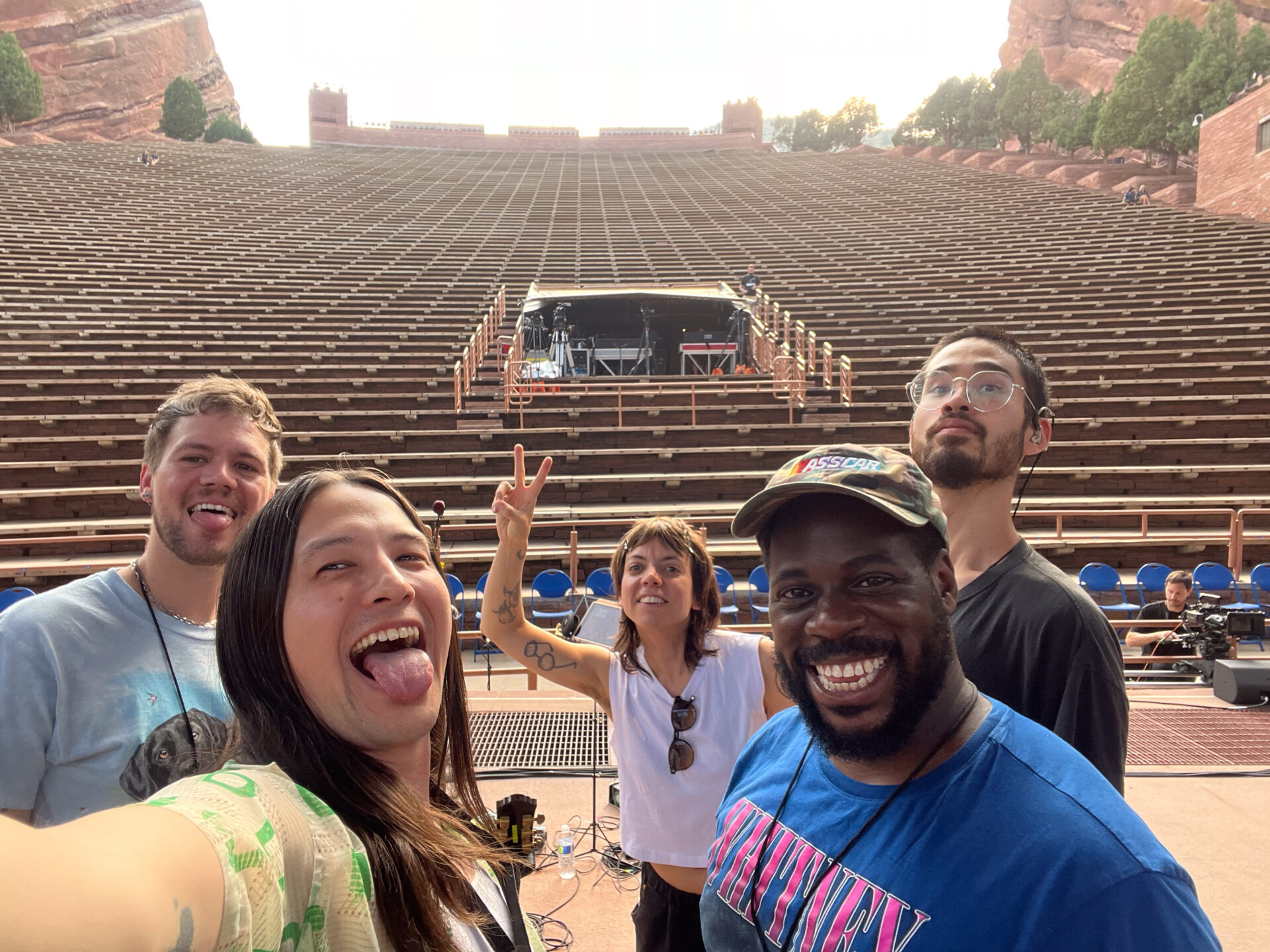
──レーベルの話に戻りますが、Sooper Recordsの「核になる価値 観」や「哲学」って何かありますか?
セン:
一番大事にしているのは、「自分たちが本当にワクワクする音楽だけをリリースすること」。それが絶対にぶれない価値観かな。今まで出してきた作品を振り返ると、「Sooperらしい音楽」のパターンがちゃんとある気がする。ジャンルに縛られないソロアーティストが多かったり、 エクスペリメンタル・ポップっぽい要素があったり。それは、最初から 「このジャンルに絞ろう」って決めたわけじゃなくて、ただ好きなものを選んでいった結果な気がする。
ナムディ:
もうひとつ大事にしてるのは、さっきも言った通り、「アーティストと誠実に向き合うこと」。音楽業界って本当に過酷で、努力しても何も保証されない世界だから、アーティストには最初からその現実をちゃんと伝えてる。「うまくいくかもしれないし、いかないかもしれない」って。
セン:
そうだね、アーティストの「現実の生活」は常に意識してるよ。みんな アルバイトを掛け持ちして生活に困ってることも多いから、たとえば 「この予算はMV制作に全部使うんじゃなくて、ちょっとでも本人たちの生活費に回せたらいいな」って考えることもある。
ナムディ:
理想主義と現実主義を、同時に持つことを、まず僕たちが忘れないようにしてる。夢を信じることと、現実を受け入れること。この両方に向き合わなきゃ、他人のアートを扱う仕事は続かないと思うし。
セン:
本当にそうだね。「これは絶対うまくいく!」って信じながら作り上げて、完成した瞬間には、「完璧じゃなくても、この作品が存在していること自体が尊い」と受け止める。それが僕たちのスタンスだよ。
──Do you have any core values or philosophy that share within the label?
Sen:
I think we just want to release music that excites us. As long as that’s true, there’s no more important factor. It’s ended up looking like there’s a pattern to Sooper releases. Now we can listen to someone’s demos and be like, “This is so Sooper.” We’ve put out enough albums that we can see what the pattern has been. A lot of the time it’s something like a genre-fluid solo artist—kind of experimental pop. But other things end up in the pile too. That’s not because we set out to say, “This is the genre of music we’re going to put out.” We’re just excited about a certain kind of album, and over time we started to see the pattern of what a Sooper record is.
NNAMDÏ:
I would add that one thing we all agree on is being honest with artists and trying to manage expectations. The music industry is hard, and nothing is guaranteed. So I think it’s important to be honest with artists and let them know the possibilities. Just always keeping it honest.
Sen:
Just trying to be aware of what’s going on in everyone’s real lives outside of their music. It’s a really tough time right now. I know a lot of people are looking for jobs. It would be awesome if we could sign an artist and just give them a small amount of money—just pocket money or something—that doesn’t have to go into making music videos or anything.
NNAMDÏ:
It’s funny to be a dreamer and a realist all at once, but you kind of have to be—especially when you’re working with other people’s art.
Sen:
Yeah. You have to believe it can work, but also be okay with it not working, because usually it doesn’t. I always say everything in music is just gambling. So do with that what you will, I guess.
──この記事を制作する「WAREHOUSE TRACKS」は、バンドのマネージメント業務もする会社で、今日は、その会社でバンドのマネージメントをしている自分の友人が同席しています。彼からも質問があるのですが、大丈夫ですか?
セン:
もちろん!
──WAREHOUSE TRACKS, the company behind Compilation, is also manages bands. Today, a friend of mine who works there in band management is here with me as well. He has a few questions too—would that be okay?
Sen:
Sure!
───はじめまして。今日はお時間を作ってくださって、ありがとうございます。いま紹介してもらったとおり、僕もバンドのマネージメントをしています。僕からの質問は、これまで関わったアーティストから新しい音源を受け取ったとき、「これはレーベルの方向性に合わないな」と感じたことってありますか?
セン:
新作が届いて「これはちょっとなあ」と思うことは、今のところないかな。大抵の場合、「次はどんなものを作るのか」が楽しみなんだよね。たとえ前作と全然違っても、それがその人の成長の証だから。
ナムディ:
うん、今関わってる人たちに関しては、「好みに合わない」って思うことはまずないな。
──Thank you for taking the time to talk with us today. I have a question: do you ever listen to new material from artists you’re already working with and feel like, “Oh, this doesn’t really fit our vision”?
Sen:
It’s only been good so far. I think a lot of the time it’s not so much that we love an album—it’s that we love an artist. So whatever they want to do next is exciting as part of the story of how their craft develops. If someone brought us a record and we really didn’t like it, but I feel like I’d just be excited that it was different.
NNAMDÏ:
Yeah. I don’t see that happening with the people we work with.
──たとえば一枚目の契約をしたアーティストが、二枚目の作品を持ってきたときに、出せないってことってあるんですか?
セン:
今のところ2枚目を出したのはLukeだけだよね。
ナムディ:
僕たちの場合は 自分たちで作ってリリースは過去のレーベルにお願いしてた。ただ、これまでに2人新作を持ってきてくれたけど、そのときはリリースができなかった。ALICIA WALTER(アリシア・ウォルター)っていうアーティストの作品も素晴らしかったけど、その年の予定が埋まっていてスケジュール的に無理だった。
セン:
僕たちは本当に小さなレーベルだから、出せる作品数には限りがある。「この作品は素晴らしいけど、今年中には出せない」ってことが実際にあるんだ。でも、そういうときでも「じゃあ他のレーベルを紹介しよう」とか、「セルフリリースならリリース計画を一緒に考えるよ」って、できる範囲でサポートはしてる。
ナムディ:
うん、繰り返しになっちゃうけど、「全然好きじゃない」ってことはないと思う。「ちょっとピンと来ないな」って思う瞬間はあるけど、それがリリースの決断に至ることはない。それよりも「一緒に成長していこう」って一緒に考えたいんだよね。だから、最近は二枚以上の契約を始めたんだ。
セン:
だから、僕たちはまだ小さなレーベルなんだろうけど(笑)。
ナムディ:
でも、「この人とは長く一緒にやりたい」と思えるアーティストがいるなら、関係を築いていく方が、お互いにとってプラスだよね。
セン:
うん、だから僕たちの答えは、「今のところ、契約したアーティストの新譜が嫌いだったことは一度もない」だね。
──But what about when you’ve released someone’s record on a single-album deal, and then they come back with their next album—have you ever had to turn them down?
Sen:
That’s only Luke, right?
NNAMDÏ:
Yeah, Luke is the only artist we’ve done two records with. But we did have two artists who came to us with new albums and we just couldn’t do them at the time. Like Alicia Walter—her record, we loved it, but we already had so many plans. So when she brought her next record, we couldn’t do it.
Sen:
We’re still such a small label that sometimes we don’t have the bandwidth to do more than a handful of records in a year. If an artist we love and have worked with in the past has a new record, but they want to release it this year and we’re not going to be able to do it in time, we usually just try to find other ways we can help. That might mean introducing them to people at other labels, or just giving them advice on their rollout if they’re going to release it independently.
NNAMDÏ:
I wouldn’t say it didn’t like, but there have been moments where I’ve thought, “Ah, this isn’t really hitting.” But that’s never been the factor in whether we put something out. Sometimes it’s more important to build. That’s why we started doing multiple-album deals. Not necessarily because we wanted to make them all like that, but because it’s really cool to be able to build with an artist.
Sen:
You can see why we’re still a small label.
NNAMDÏ:
We want to build with certain artists—especially artists we know are really going to go for it, and for whom music is what they want to do. It just makes sense to build with those people and maintain those relationships rather than doing a single album.
Sen:
Yeah, I guess the short answer is: it’s never happened.
───なるほど、とても勉強になります。では次に、「新しい音楽との出会い方」についてお聞きします。最近はSpotifyのようなサブスクで、アルゴリズムがどんどん新しい曲をおすすめしてくれますよね。でもその一方で、以前に比べて「本当に心に響く音楽」と出会う機会が少なくなっているようにも感じています。お二人は、こうした変化をどう感じていますか? また、「好きだ」と思える音楽に出会うために、ふだん意識していることや実践していることがあれば、ぜひ教えてください。
ナムディ:
僕は昔、音楽をブログでよく見つけてたんだ。今はブログ文化が減ってしまったけど、レコードショップに行くことは今でも効果的だと思う。スタッフのおすすめをチェックしたり、自分で棚を漁って「似た系統の音楽」を探したりできるから。
セン:
僕は自分のペースでゆっくり音楽と出会うことを大事にしてるよ。
ナムディ:
昔はSpotifyもなかったけど、みんな音楽を見つける方法はあったよ ね。ライブに行ったり、好きなアーティストが連れてきたオープニングアクトを見たりして、そこから新しい音楽を見つけてた。
セン:
個人的なつながりがあると、音楽って深く心に残ると思う。ライブで聴いた曲でも、友達に教えてもらった曲でも、レコードショップで偶然見つけた曲でも、リアルな「記憶」とセットになっている音楽は長く聴ける。最近、僕もストリーミングで聴かずにカセットテープを集めたりしてるんだ。ジャケ買いしたり、知らないアーティストに挑戦してみたり。たとえその音楽を大好きにはならなくても、そこに関わった時間や体験が大切だって感じてるよ。
ナムディ:
結局、「無限の可能性を求めるか」、それとも「少ないけど、本当に響くものを見つけるか」の話なんだよね。
セン:
うん、どっちが正しいって話じゃない気がする。ストリーミングで音楽をどんどん楽しむ人を否定する気もない。それが合ってる人もいると思うしね。でも僕には、ゆっくり味わう方法の方がしっくりくる。
───I see, that’s really insightful. There’s one more thing I want to ask. These days, with all the subscription services, it’s become easier to listen to new music that’s recommended by algorithms. We have this constant influx of new music. But at the same time, I find it harder to actually find music that really resonates with me a group I truly like like. It also seems like a lot of people are feeling that way. Do you feel that way? And if so, do you have any tips or tricks for finding music that becomes special to you?
NNAMDÏ:
I think the way I found a lot of music in the past was through blogs. That kind of era of very curated blogs is pretty much over now. But there are still other ways—like going to record stores, where people working there have staff picks, and you can sift through different sections to find artists similar to things you like. So I think those ways of finding music are still there.
Sen:
You just have to slow yourself down a little.
NNAMDÏ:
Yeah, people found music before Spotify, you know? People found music through shows, through artists they liked, and through openers. If you go to a lot of shows, an artist will usually bring an opener they like and enjoy.
Sen:
Having a personal connection with music will always make it resonate more. If it’s because you saw an artist live, or because a friend told you about them, or because you found the record in a record store—those real-life connections make it stay with you much longer. I don’t really listen to music on streaming services anymore. Instead, I’ve started collecting cassette tapes again and going to record stores—picking out a tape without even knowing what it is, or doing the same with records and just trying something new. Even if you don’t end up loving the record, you still have a more personal relationship with the music, so it resonates more deeply.
NNAMDÏ:
You just have to pick which poison you want, kind of. Do you want endless possibility, or do you want things to last and resonate more? I don’t really think you can have both.
Sen:
That’s a good point, though. It’s not necessarily wrong. I wouldn’t judge someone for being the opposite way. If they love consuming all this music online, that’s cool too. It just doesn’t work for me, I guess.
──さて、ここからは音楽業界について、お聞きしたいと思います。この数十年は、多くのアーティストたちにとって、「メジャーレーベルと 契約してリリースする」ことが、分かりやすい成功の道でした。でも今は状況が変わり、Sooper Recordsのように、独自のやり方で活動を続けるレーベルやアーティストが増え、また、成功のあり方も変わってきてるように思います。お二人は、今の音楽業界の在り方や構造についてどう感じていますか? また、「こういうところは変わるべきだ」など、音楽業界に思うことがあればお聞かせください。
セン:
変えたいこと、山ほどあるな… 今の音楽業界の大部分は、「すべてはミュージシャンから始まっている」っていう基本の事実を忘れている、あるいは、無視しているように思うときがあるよ。音楽業界に関わるすべての仕事――レーベル、ブッキングエージェント、マネージャー、ライター、メディア、会場スタッフ――こういう仕事は全部、最初に「音楽を作る人」がいなかったら存在しないはずなんだ。にもかかわらず、その自覚がない人たちが、あまりにも多い気がするんだよね。 誰も「意図的に悪意を持って」やってるわけじゃないことも理解してる、でも、ミュージシャンがいなければ何も成り立たないっていう当たり前のことを、もっと真剣に意識するべきだと思う。それに、ほとんどすべての場合、「ミュージシャンよりも周りの人たちのほうが先にお金をもらう」構造になっている。これは、根本的に矛盾してる気がするよ。一番重要な存在なのに、最後にしか報われない。これを放っておくと、いずれミュージシャンが絶滅しちゃうよ。実際、今、世界中で小さなDIYバンドから大物ポップスターまで、ツアーをキャンセルせざるを得なくなってる。コストに見合わなくなって、続けられないんだ。その間も、業界にいる人たちは、普通に給料をもらい続けてる。このアンバランスは、本当におかしい気がする。僕たちは、そういう状況を少しでも変えたいと思ってる。アーティストを最優先にして、彼らがちゃんと生き延びられるような仕組みを、僕たちなりに作りたいんだ。
──We’ll be talking about the music industry. So, a few decades ago, people though singing with a major label and releasing music was the way to go. I feel like success and how people do things are getting more and more diverse these days. And I think what you’re doing with Sooper Records is a good example of trying out new ways. How do you see the current structure of the music industry? And what do you think is a problem—not necessarily something to solve, but something you think should change?
Sen:
There are so many things, but if I had to distill it down to one issue, I’d say that a vast majority of the music industry has forgotten—or acts like it doesn’t know—that everything comes from the musician. Every job in the music industry—every music publication, every label, every booking agent, every manager, every venue staff member—exists because someone is creating music. Without that person, the whole ecosystem wouldn’t exist. That’s not to say that everyone owes everything to the musician, but there should at least be an awareness that this is the most important part of the whole system. And I think that’s often forgotten. I don’t think it’s anyone’s specific intention to be evil in that way. But a lot of things would improve if people remembered that, in many cases, everyone gets paid before the musician does. Those are kind of conflicting ideologies: everything starts with the musician, but everyone gets paid before the musician. And eventually that makes the musician go extinct. You see bands all over the world cancelling tours—from small DIY bands to the biggest pop acts—because they can’t sustain the cost of being a musician. Meanwhile, everyone else working around music still receives their regular salary. So I feel like that’s the starting point for a lot of the other problems.
──音楽業界のこうした問題を解決するために、どんなことが必要だと思いますか?
セン:
ミュージシャン同士で経験や知識をシェアすること、かな。実際に、それが僕たちをすごく助けてきた。「レーベルとのやり取りでどう感じたか」とか、「ブッキングした会場での体験はどうだったか」みたいなことを、お互いに話して共有すること。ソーシャルメディアのおかげで、少しずつそうなりつつあるけれど、それがもっと普通になっていったら、「この業界の仕組みって、実はこうなんだ」っていう気づきが更に広がっていくと思う。そうすると、ミュージシャンも、「自分にはちゃんと価値があるんだ」って気づけるようになると思う。「レーベルの人に評価されないことが、必ずしも無価値」じゃないし、「会場側にライブを断られたからって、自分の音楽に意味がない」なんてこともない。自分が築いてきたものには、もともと固有の価値があるんだって思えるようになるはず。
ナムディ:
業界全体、特にメジャーレーベルの構造を本気で変えるには、一番上のアーティストたちが声を上げることが必要だと思う。ストリーミングで大成功してるトップクラスのアーティストたち、アリーナを満員にするようなミュージシャンたちが、「この仕組みは不公平だ。小規模なアーティストが正当に扱われていない」って、本気で言い出したら、業界は一気に変わると思う。もし彼らが、「もうストリーミングには音源を出さない」って脅しをかけたら、それだけで業界全体がざわつくはずだし、たとえそこまで極端じゃなくても、そういう対話を公の場で始めるだけでも効果はあると思う。
セン:
それすごく良い答えだね。影響力のあるミュージシャンや業界人が、実際に行動を起こす。僕もそれが大事だと思うよ。
ナムディ:
企業側も、僕たちみたいな「シカゴのちっぽけなやつら(笑)」よりも、そういうビッグネームの声なら絶対に耳を傾けるはずだから。
──What do you think is necessary to change this?
Sen:
Open dialogue, I guess. The way we’ve worked as friends in a close-knit community—sharing information from our experiences in the music industry to help each other avoid common pitfalls—has helped us enormously. It’s still been hard, of course. But being able to meet up and talk about our experiences—whether it’s interacting with a label signing or dealing with a venue—and just compare notes with each other has been really important. I think if that kind of openness became even more common, which it slowly is through things like social media, awareness about how the industry works could continue to grow. Then musicians might start to realize: I have value because I make this. I’m not only valuable if a label person thinks I’m valuable. I’m not worthless because a venue doesn’t want to book my show. There’s inherent value in what I’m building.
NNAMDÏ:
I think when it comes to the major-label side of the industry, the only thing that would really change the current situation is if major artists made a big stink about it. If the top artists in the world—the ones dominating streaming and selling out arenas—said, “Look, this isn’t fair. The way things are distributed isn’t fair to smaller artists.” If they threatened to pull their music off streaming, or made some kind of big move like that, I feel like the industry would change very quickly. Even if they didn’t make a drastic move like threatening to pull their music, just talking about it would matter.
Sen:
That’s a better answer—definitive action from musicians and industry people who actually have the power to do something about it.
NNAMDÏ:
If those artists were having the same conversations publicly, people would be more likely to listen. Companies are more likely to listen to big artists than to some fucking schmucks from Chicago.
──では最後に、Sooper Recordsとして、今後の「目標」や「夢」 があれば教えてください。
ナムディ:
僕個人としては、将来的には自分の音楽や作品を、全部Sooperから出せるようにしたいと思ってる。それが持続可能な状態になるのが理想。 Sooperに関しては、今は「予算やスケジュールの都合」でリリースできるアーティストを選ばざるを得ないことがあるけど、将来的には、そういうことをなるべく少なくしたい。とにかく、「自分の作品やアートに本気で向き合ってるアーティスト」の音楽を出したい。それが僕の一番の願いだね。
セン:
僕の願いは、最終的にSooperで一緒にやったアーティストたちが、音楽活動を振り返ったときに、「あれは楽しかった、本当に一緒にやってよかった」と思えるようにしたいな。今の音楽業界って、レーベルと揉めた経験のある人が本当に多い。みんな少しずつ何かしらのトラブルを抱えてるんだよね。
ナムディ:
うん、いわゆる「レーベルとのひどい体験談」って、本当にたくさんあるもんね。でもSooperは、アーティストが安心して音楽をリリースできる場所でありたい。彼らの音楽が、ちゃんと望んだ形で受け止められたと感じてもらえること、それが僕たちにとって一番大事なことだから。
──What’s your ambition as a label? Do you have any goals or dreams you’d like to achieve?
NNAMDÏ:
For me personally, in the future I’d like to be able to self-release my music through the label—have it be sustainable enough to support that. And also not have to turn down one artist for another because of funding or scheduling. That might always happen, but hopefully it happens less in the future and we’re able to do more of the things we want to do. Mainly, just put out dope artists who really care about the music and the art they make. That’s my main goal.
Sen:
For me, it would make me happy if, at the end of everything, at least a majority of the artists we work with could walk away from their time in music feeling like it was a positive experience doing it with us. If the artist is like, “That was awesome, guys. Thank you for doing that—we had so much fun,” then I’m like, “Success.” Because I feel like that’s not very common right now. Most people have some kind of beef with their label.
NNAMDÏ:
There are a lot of horror stories about people working with labels where something went wrong. It would be nice to be a kind of safe space where people can put their music out and feel like it was received the way they wanted—and just have a positive experience.
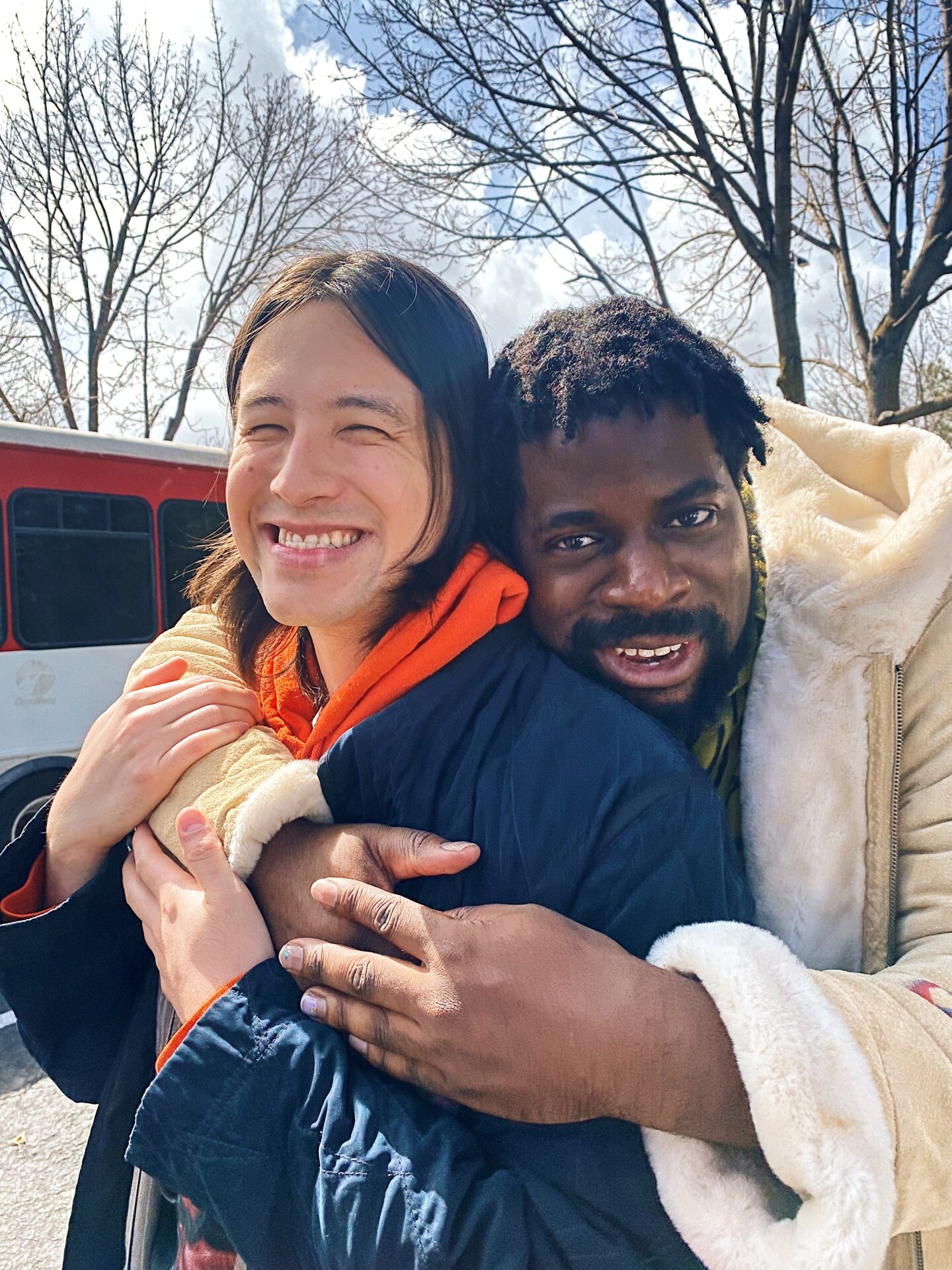
だから、怖くて、楽しい
That’s why it’s scary, and fun
誰かと一緒に、何かをつくるのは、いまでも少しこわい。うまく伝えられなかったり、期待しすぎてしまったり。そんなすれ違いが、ずっと怖かった。だから、私はいつも、自分の気持ちを先に差し出して、関係を守ろうとしてきたのかもしれない。「ちゃんと伝えなきゃ」と思いすぎて、時には声が大きくなってしまうこともあった。 この業界で働き始めて10年ほど、「理不尽だな」と感じることには、できるだけ声を上げてきた。自分や誰かが不当に扱われているのを見過 ごすことはできなかった。おだやかにやり過ごす選択肢もあったかもしれないけれど、「おかしい」と感じたその感覚に、どうしても逆らえなかった。
けれど、今になって、あんなに張りつめていた理由がよく分からない。「全部、あなたのせいだったんじゃない?」と笑われても、もうムッとはしない。それよりも、今見えているものを、大事にしていきたいと思う。
きっと私は、「これからどうしようか」を一緒に考えてくれる誰かの存在や、そういう関係を築くための、言葉やその運び方を、まだ知らなかったんだと思う。
声を上げた後、周りから静かにいなくなった人たちを思い出すと、胸がつまる。でも同時に、私の悩みに付き添ってくれた友人たちのことを思い出す。中には「だって、そう言っちゃったんでしょ?」と現実を差し出してくる人もいるけれど、それでも、私を支えてくれた彼らのおかげで、私は今もここにいる。
2022年、セン・モリモトの日本ツアーで、私はツアーのアシスタントをすることになった。久しぶりに再会したセンと、東京・名古屋・大阪を回った。始まる前は、それが最高の時間になると思って疑わなかった。
でも、いざ始まってみると、私はまた、仕事のあらゆる違和感に不満を募らせていた。言葉にできないフラストレーションに、自分でも戸惑っ ていた。肩書きは「アシスタント」だったけど、ツアーが進むにつれて、センの方がむしろ、私の「心のアシスタント」のようになっていた。私の様子を察しては、ショーの後、何も言わずに側にいてくれた。
私はたぶん、最後までアシスタント失格だった。でもツアーの後、センは「少しでも足しにして」と、自腹でギャランティーをくれた。遠慮する私に、彼は笑って言った。
「君が取り組んでくれた全てのことに感謝してるよ。一緒にツアーできて嬉しかったし、楽しかった。本当にありがとう。」
その一言が、今でも私を救っている。
Sooper Recordsの取材をしながら、私は何度も、あの日の、センの姿と言葉を思い出していた。センとナムディが築いてきたレーベルやコミュニティの在り方は、あの日のセンがくれた優しさと、今の彼らが大切にしている価値観の中で、確かに繋がっている。 私は、これからも、誰かと一緒に何かを作って、喜び合えるような仕事をしていきたい。でも、それは決して一人ではできない。自分が大切にしたいことと、誰かが大切にしていることの間にある「伝え方」と「関わり方」を、私はまだ学んでいる途中だ。
私を夢見させてきたもの。それを作ってきた人たちも、きっと同じように、試行錯誤してきたことを想う。ときに悩んで、立ち止まって、失敗して、誰かの優しさに救われたりして。
だから、私も、「ありがとう」を言い合える関係や機会が、少しでも増えるように、できることを少しずつ、重ねていきたい。
そうやって、大切な誰かと生み出した何かが、静かに、でも確かに、未来を照らしていくものになると願って。
Even now, making something with someone still scares me a little.
Not being able to communicate well enough. Expecting too much.
I’ve always been afraid of those small misalignments.
Maybe that’s why I’ve often offered up my feelings first, trying to protect the relationship before anything could go wrong. I would tell myself, “I have to explain this properly,” and sometimes my voice would come out louder than I intended.
In the ten years I’ve worked in this industry, whenever something felt unfair, I’ve tried to speak up. I couldn’t just ignore it when I saw myself — or someone else — being treated unjustly. Maybe I could have chosen to let things slide more quietly, but I could never go against that inner feeling that said, “This isn’t right.”
But now, I’m not even sure why I used to be so tense all the time. If someone laughed and said, “Maybe it was all your fault,” I wouldn’t even get defensive anymore. I’d rather focus on what I can see in front of me now, and take care of that.
I think, back then, I simply didn’t know how to find the words — or the way of speaking — that could help build relationships with people who would sit beside me and say, “So, what should we do from here?”
When I think about the people who quietly drifted away after I raised my voice, my chest tightens. But at the same time, I remember the friends who stayed close and supported me through my struggles. Some of them would say things like, “Well… you did say it, didn’t you?” — offering me reality instead of comfort. Still, it’s because of them that I’m here now.
In 2022, I worked as an assistant on Sen Morimoto’s Japan tour. We reunited after some time apart and traveled together through Tokyo, Nagoya, and Osaka. Before it started, I had no doubt it would be an amazing experience.
But once the tour began, I found myself growing frustrated again — with all kinds of small discomforts in the work. I couldn’t even put those feelings into words, which confused me even more. My title was “assistant,” but as the tour went on, Sen somehow became more like my emotional assistant. He would sense when something was off and, after shows, just stay quietly by my side.
I was probably a terrible assistant until the very end. And yet, after the tour, Sen gave me extra payment out of his own pocket, saying, “I hope this helps, even just a little.” When I hesitated, he smiled and said:
“I’m grateful for everything you worked on. I’m really glad we got to tour together. It was fun. Arigatou!.”
Those words still save me, even now.
While working on my interview with Sooper Records, I found myself thinking over and over about Sen that day — his presence, his words. The way he and Nnamdi have built their label and community feels deeply connected to the kindness Sen showed me back then, and to the values they continue to hold close today.
I want to keep doing work where I can create something with others and share the joy of it together. But I know that’s not something I can do alone. I’m still learning how to navigate the space between what I care about and what someone else cares about — learning the language and the way of relating that can hold both.
The things that have made me dream — and the people who created them — must have gone through the same trial and error. Worrying, pausing, failing, arguing… and sometimes being saved by someone’s kindness.
So I want to keep adding, little by little, whatever I can — so that there are more moments, more relationships, where we can say “Arigatou” to each other.
I hope that the things we create with the people who matter to us will quietly, but surely, become lights that brighten the future.
Edit: Yuki Kikuchi
Photo: KAINA, Sam Orlin
Translate: Hikari Hakozaki
Edit: Yuki Kikuchi
Photo: KAINA, Sam Orlin
Translate: Hikari Hakozaki